How Roof Valleys Fail and Why Valley Leaks Need Prompt Attention
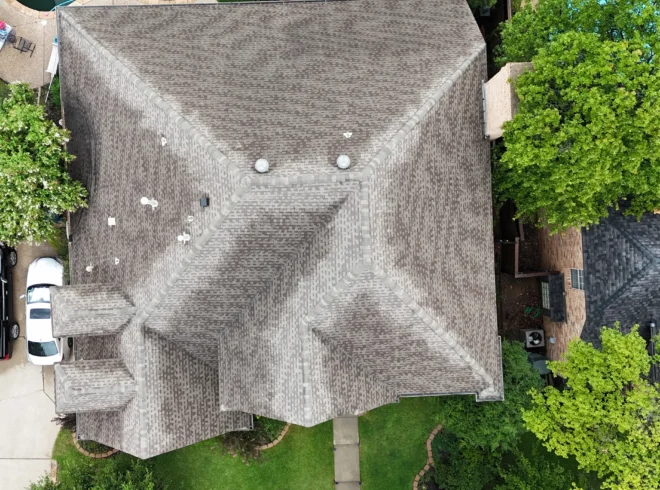
Roof valleys are one of the most challenging parts of a roofing system. They are the places where two roof slopes come together and where rainwater pools before draining into the gutters. They can move a lot of water, and a minor problem can escalate into a major roofing problem.
If you have a leak in your roof, don’t ignore it. Water can seep under shingles, into the roof decking, compromise the roof’s insulation, and finally show up as stains on the ceiling or walls.
Knowing the reasons behind the failure of valleys can help homeowners identify the issues early and make the necessary repairs to prevent more damage.
Why Roof Valleys Are Vulnerable to Damage
A roof valley is a section of the roof that receives a greater amount of water than other parts of the roof. Water from two roof slopes may run to the same place during heavy rainfall.
This constant exposure places additional stress on the shingles, underlayment, and flashing that are placed around the valley.
Debris can also collect in valleys. Leaves, twigs, dirt, and other materials can impede drainage and hold the roofing material wet for extended periods.
These conditions over time can lead to deterioration, water penetration, and other issues with the roofing system.
Common Causes of Roof Valley Failure
Worn Out Shingles
Shingles along a valley may crack, curl, loosen, or shed their protective granules. With the shingles no longer being able to shed water, the water can penetrate to the layers below.
Strong winds and hail can exacerbate the issue by causing shingles to be damaged around the valley.
Flashing Failure
Water is often directed safely away from many roof valleys with metal or special flashing. When flashing is bent, corroded, improperly installed, or pulled away from the roofing materials, water can seep under the flashing.
A flashing issue is especially worrisome because the leak might not be noticed for a while.
Also Read: Roof Flashing Failure: Warning Signs Around Chimneys, Vents and Skylights
Poor Installation
It is important that a valley is installed correctly to ensure adequate drainage. Weak points can develop where shingles are improperly placed, underlayment is damaged or missing, fasteners are exposed, or flashing is not installed properly.
These installation problems can’t be seen from the ground and can lead to recurring leaks.
Debris Buildup
Normal water flow can be interrupted by leaves and other plant debris. Excessive water in the valley or trapped water can cause an increase in the risk of water entering vulnerable areas.
Clean valleys can help to maintain good drainage.
Signs of Damaged Roof Valleys
- Missing, damaged, or curled shingles around the valley area
- Loose or damaged flashing
- Granules around downspouts
- Water stains on ceiling or walls
- Damp attic insulation
- A musty or moldy smell in the attic
- Rotting or discolored roof decking
- Water that is coming from near the point where two roof slopes connect
Not all roof leaks are located right above the stain on the interior of the roof. Water may flow over the decking and framing into the house.
Why Roof Valley Leaks Need Prompt Attention
If there is a leak in the valley on the roof surface, water can enter multiple layers of the roofing system.
Initially, it might just be a small stain on the ceiling. However, prolonged exposure to moisture can cause damage to insulation, wood decking, drywall, and other building materials.
Moisture may also provide an environment for mold growth. The more the roof structure is compromised, the more difficult and costly the repair will be.
Attention in a timely manner increases the chances for homeowners to address the source before secondary damage occurs.
What to Expect During a Roof Valley Repair?
The type of repair will vary depending on the cause and severity of the damage.
A professional roofing company can take a look at the shingles, flashing, underlayment, decking, and other parts of the roof. They can also look in the attic to see if water has seeped in.
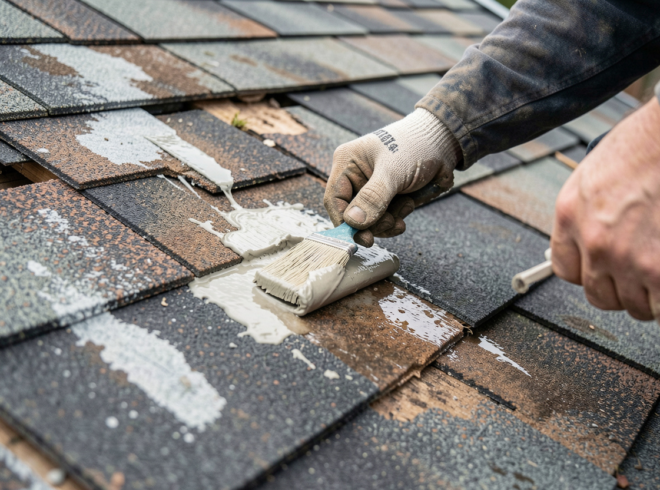
Small issues can involve replacing damaged shingles and/or repairing flashing. If the damage is more severe, roofing materials may need to be removed and the damaged underlayment and/or decking replaced.
The aim is not to just patch the visible leak. The root cause must be addressed and remedied.
Can Roof Valley Damage be Avoided?
You can detect future problems in your roof by regular inspection before they become a major leak.
Gutters and roof drainage areas should also be free of debris. Following severe storms, it is also important to inspect the roof for missing shingles, damaged flashing, and noticeable changes around roof valleys.
Do not walk on the roof, particularly if it is wet or steep. A professional inspection is safer and can offer a more comprehensive inspection.
Key Takeaways
- Roof valleys can collect a lot of rainwater and may leak.
- The following factors can lead to valley issues: damaged shingles, failed flashing, improper installation, and debris.
- Water stains inside may mean that the water has passed past the initial infiltration site.
- A leak from a small valley can cause the destruction of insulation, decking, drywall, and other materials over time.
- Roof valley repair by a professional and timely action can help in avoiding more severe damage.
- Valley problems can be detected early through regular maintenance and post-storm inspections.
Summary
Rainwater needs to be conveyed to the ground safely from the roof, and roof valleys are important in this regard. They can wear and leak when the shingles, flashing, or underlayment fail, since they are collecting water from several roof slopes.
Do not ignore problems that are becoming more serious if damaged materials, water stains, damp attic insulation, or other signs are noticed. A professional inspection can be used to identify the source of the water intrusion and the necessary repairs.
Protect Your Roof With 911 Exteriors Roofing and Construction
If you notice signs of roof valley damage, it’s important to seek professional help early to keep your home safe. At 911 Exteriors Roofing and Construction, our experts can help you maintain your roof in the best condition with prompt repairs and maintenance. Schedule an inspection with us today.

Ash Abraham is a seasoned exterior remodeling professional and trusted industry expert at 911 Exteriors, specializing in roofing, siding, gutters, and exterior restoration services. With years of hands-on experience in residential and commercial exterior projects, Ash brings practical expertise, technical knowledge, and customer-focused solutions to every project.
Recent Posts
September 21, 2026
How Roof Valleys Fail and Why Valley Leaks Need Prompt Attention
September 18, 2026
What Does Granule Loss From Asphalt Shingles Mean?
September 14, 2026
Roof Flashing Failure: Warning Signs Around Chimneys, Vents and Skylights