What Does Granule Loss From Asphalt Shingles Mean?
Asphalt shingles are designed to keep your home safe from the elements such as sun, rain, wind, and weather. One of their most common features is the small mineral granules that cover them. These granules protect the shingles against UV damage and add durability.
Some granules may naturally wash out over time. But when there is a lot of loose material, it could mean that your roof is old or damaged. Knowing how to identify shingle granule loss will help you decide if you should monitor the roof or seek professional help.
Why Do Granules Get in Gutters?
Granule loss is usually noticed in your gutters and downspouts. It is not always a problem if some granules are seen after installation or during the normal aging of the roof.
New shingles may release some granules that weren’t attached during manufacturing, and you may notice them immediately after installation.
If a lot of buildup is observed, inspect the roof surface as well. If the shingles are in good condition, then it is likely that the granules are falling off due to aging; if they are damaged, then it is likely that the granules are falling off due to damage.
What Causes Loss of Granules?
There are a number of reasons for the loss of granules. One of the most common causes is age. Over time, the materials in asphalt shingles lose their flexibility, and the granules can fall off more easily.
The process can be hastened by severe weather. Strong winds and heavy rain can cause surface wear, and granules can be loosened or removed from individual shingles by hail.
The maintenance of the roof may also be an issue. Any of these activities, such as walking on the shingles, dragging equipment across the roof, or using harsh cleaning techniques, can shed granules unnecessarily.
Sometimes, poor installation can also play a part. Failure to install shingles properly can cause premature wear in some areas.
Bald Spots on Roof Shingles
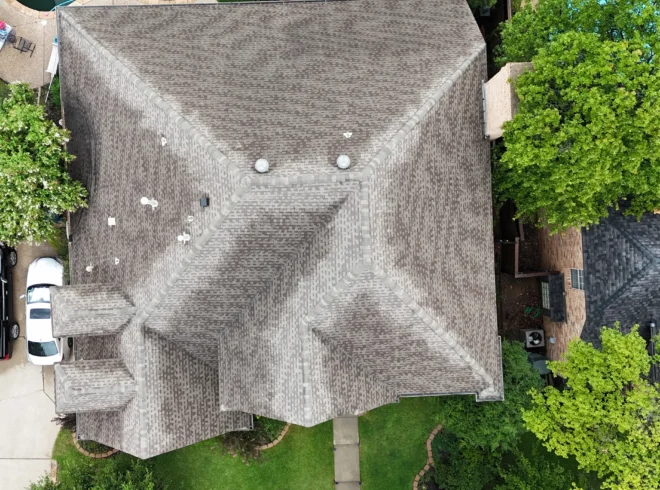
Another warning sign is areas that are visible where the protective granules are gone. These bald spots on roof shingles allow more asphalt to be exposed to the sun and the elements.
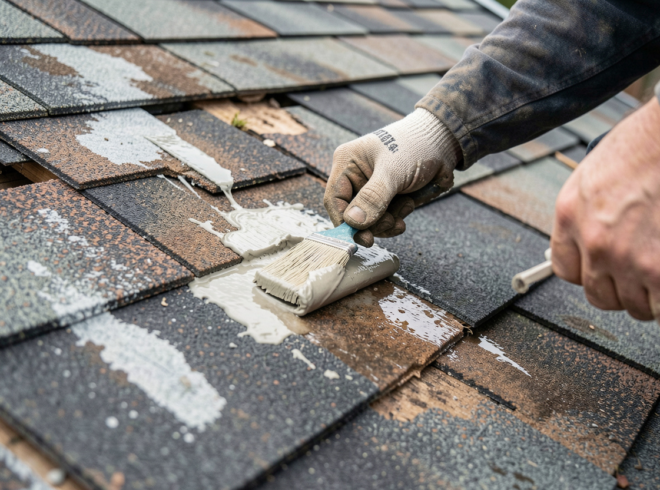
If there are a few small areas, it doesn’t necessarily mean the roof needs to be replaced. The size, location, and number of affected areas are important.
If the bald patches are localized in a certain area of the roof, the roof might have some localized damage. If they occur on multiple shingles, it may be a sign of a more severe deterioration.
These areas can be inspected by a roofing professional, and they can decide whether repair or replacement is the best option.
Normal vs. Excessive Granule Loss
Understanding the difference between normal vs. excessive granule loss can help homeowners avoid unnecessary repairs and can detect problems early.
Loose granules are normal, especially in newer shingles. If there is a little, it’s not necessarily a problem; it may be found in gutters or around downspouts.
Excessive loss, on the other hand, is different. Some indicators of trouble are lots of granules building up in gutters, lots of areas with no grass, exposed asphalt, or shingles that appear to be unusually worn down compared to the rest of the lawn.
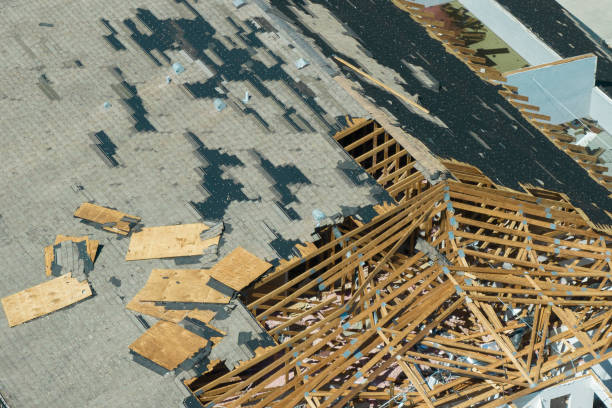
The loss of granules after a hailstorm or extreme weather event should also be assessed. Ground damage may not always be apparent.
Is Granule Loss a Sign that Your Roof is Failing?
Not necessarily. Granule loss is one factor to consider when evaluating roof condition.
Some granules will be lost, and the roof will still be effective. The condition of the shingles, their overall appearance, flexibility, and the condition of flashing and other roofing elements should also be taken into consideration.
But substantial loss of granules must not be overlooked. As soon as the protective surface is significantly diminished, the underlying asphalt layer will be more susceptible to UV exposure and weathering.
When Do Damaged Shingles Need To Be Replaced?
The decision to replace damaged shingles depends on the severity and nature of the damage.
If there are individual shingles that are damaged and can be repaired or replaced, then the entire roof may not need to be replaced. This is a viable option if the rest of the roofing system is still in good condition.
If damage is extensive or the roof is nearing the end of its useful life, a larger replacement might be required.
Other indicators to look for are cracked or curling shingles, missing shingles, exposed underlayment, frequent leaks, and significant granule loss.
A professional inspection will be able to help decide if a small repair will suffice or if more extensive work is required.
Also Read: Metal Roof vs Asphalt Shingles: Which Lasts Longer and Costs Less?
Key Takeaways
- It is normal for some granules to be lost, particularly in the case of aged asphalt shingles.
- A few granules in gutters are not necessarily a sign of roof deterioration.
- If there are a lot of loose granules, it may indicate storm damage or deterioration.
- Exposed or bald spots on shingles should be professionally inspected.
- Granule loss can be accelerated by hail, strong weather, improper maintenance, and aging.
- Sometimes, individual damaged shingles can be patched and not replaced.
- An inspection can help determine the condition and remaining life of your roofing system.
Summary
Granule loss is a natural aging process of asphalt shingles, but too much loss can signal that your roof is in danger of weather and UV damage. If you pay attention to the buildup in the gutters, bald spots, and other visible changes, you can spot potential issues before they become costly repairs.
When you’re not sure if the granule loss is normal or not, having a professional check the roof will give you a better answer.
Schedule a Roof Inspection With Us Today
If you have a minor repair, storm damage inspection, or a full roofing assessment, our team at 911 Exteriors Roofing and Construction can help safeguard your home before it turns into a costly leak. Call us today to arrange for a professional roof inspection.

Ash Abraham is a seasoned exterior remodeling professional and trusted industry expert at 911 Exteriors, specializing in roofing, siding, gutters, and exterior restoration services. With years of hands-on experience in residential and commercial exterior projects, Ash brings practical expertise, technical knowledge, and customer-focused solutions to every project.
Recent Posts
September 21, 2026
How Roof Valleys Fail and Why Valley Leaks Need Prompt Attention
September 18, 2026
What Does Granule Loss From Asphalt Shingles Mean?
September 14, 2026
Roof Flashing Failure: Warning Signs Around Chimneys, Vents and Skylights