July 24, 2026 Published by: Ash Abraham
Flat Roof vs. Metal Roof: Which Is Best for Your Commercial Roof Installation?
One of the most crucial choices for any business property owner is the roofing system they select. Your roof can safeguard your building, employees, equipment, inventory, and improve energy efficiency. Choosing the right material can help save money and enhance long-term performance, whether you are building a new commercial building or replacing an aging roof.
Flat roofs and metal roofs each have their own set of advantages, but which one is right for your property, budget, and long-term plans will vary. If you’re planning a commercial roof installation in Grand Prairie, it’s important to know the differences between these roofing systems so you can make the right decision.
Understanding Flat Roofs
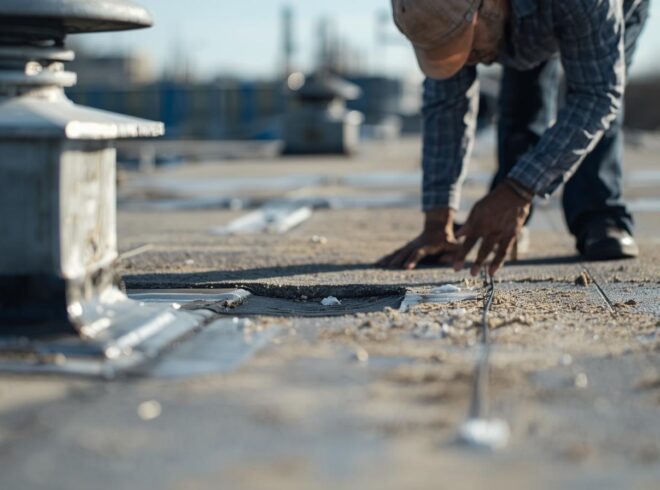
Office buildings, warehouses, retail stores, schools, and industrial buildings are typical buildings that use flat roofs. They look like they are completely flat, but are constructed at a slight angle to facilitate drainage.
Benefits of Flat Roofs
- Slightly reduced installation costs as compared to many sloped roofing systems.
- Accessibility for inspection, maintenance, and repair.
- Offers additional room for HVAC systems, solar panels, or other rooftop equipment.
- Today’s roofing materials like TPO, EPDM, and modified bitumen provide proven waterproofing.
Businesses that need easy access to the roof or want to make the best use of available building space will find flat roofs to be particularly practical.
Understanding Metal Roofs
Metal roofs are becoming more popular for commercial buildings due to their high durability and longevity. They come in steel, aluminum, and other metal materials that are resistant to harsh weather conditions.
Benefits of Metal Roofs
- With proper maintenance, it can last for 40-70 years.
- Excellent resistance to hail, heavy rain, high winds, and fire.
- Reflects sunlight, decreasing energy bills.
- Does not need to be replaced as often as many traditional roofing materials.
- Provides a professional and clean look to improve curb appeal.
While the initial investment is usually greater for metal roofs, many business owners are finding them to be beneficial over the long term.
Flat Roofs vs. Metal Roofs: Key Differences
Installation Cost
The initial cost of installing a flat roof is usually lower, making it an appealing option for businesses with a tight budget.
Metal roofs are more expensive initially, but can be more cost-effective over many years because of their durability.
Durability
Metal roofs are famous for their durability, and they will endure harsh Texas weather conditions with hardly any damage.
Flat roofs are also long-lasting, but they typically need more frequent maintenance and inspections, particularly if they are made from a quality material.
Maintenance Requirements
Regular checks should be made on flat roofs, as standing water, debris and drainage problems can impact performance over time.
Metal roofs generally need less maintenance, but may need to be inspected and fasteners checked from time to time.
Energy Efficiency
Both roof systems have the potential to enhance energy efficiency.
Reflective metal roofing can lower heat absorption, and today’s flat roofing membranes can be equipped with reflective coatings that can also cut cooling costs.
Lifespan
The lifespan of a well-installed flat roof can range from 20 to 30 years, depending on the material used and the maintenance routine.
Metal roofs can last over 50 years, making them a great investment.
Which Roofing System is Best for Your Company?
There are a few key considerations to determine the appropriate roofing system.
A flat roof is the preferred option if:
- Your building is modern with a commercial design.
- Space is required on the roof for equipment.
- Your budget is more constrained for installation.
- It is important to have easy maintenance access.
A metal roof may be a better choice if:
- You want durability.
- The cost is not as important as the long-term savings.
- Severe weather is a problem on your property.
- You need a roof that lasts longer and requires less maintenance.
Each commercial property is unique. Your roofing system is matched to your building structure, climate, and business goals when you work with a professional contractor.
Key Takeaways
- For buildings that need access to the roof, flat roofs are inexpensive, functional, and suitable.
- Metal roofs are more durable, long-lasting, and weatherproof.
- If installed properly, both roofing systems can help to increase energy efficiency.
- Your roofing choice should be based on budget, maintenance requirements, and long-term objectives.
- When you hire commercial roofing professionals, you can rest assured that you will get quality workmanship and long-lasting performance.
Summary
There are two types of flat roofs: metal roofing and flat roofing, both of which are ideal for commercial buildings, but each has its own purpose. Flat roofs offer low cost, accessibility, and space utilization of the roof area, and metal roofs offer unsurpassed durability, energy efficiency, and return on investment. When you take the time to understand your property’s needs and work with a roofing company that has the expertise to install a roofing system that will protect your investment for years to come.
Get Proper Commercial Roof Installation Services in Grand Prairie
When you’re planning a commercial roof installation in Grand Prairie, it’s best to rely on the professional roofing and construction company, 911 Exteriors Roofing and Construction. No matter what you’re considering, whether it’s a flat or a metal roof, our experts can give you honest advice, quality craftsmanship, and a long-lasting roofing solution to meet your business needs. Call us today to schedule a consultation and invest in a commercial roof that will last.

Ash Abraham is a seasoned exterior remodeling professional and trusted industry expert at 911 Exteriors, specializing in roofing, siding, gutters, and exterior restoration services. With years of hands-on experience in residential and commercial exterior projects, Ash brings practical expertise, technical knowledge, and customer-focused solutions to every project.
Recent Posts
September 28, 2026
Roof Damage From Overhanging Trees: What DFW Homeowners Should Prevent

September 25, 2026
Sagging Roof Warning Signs: Causes, Risks and Next Steps

September 21, 2026
How Roof Valleys Fail and Why Valley Leaks Need Prompt Attention

September 18, 2026
What Does Granule Loss From Asphalt Shingles Mean?

September 14, 2026
Roof Flashing Failure: Warning Signs Around Chimneys, Vents and Skylights
