Roof Flashing Failure: Warning Signs Around Chimneys, Vents and Skylights
Even though it’s easy to overlook, roof flashing is one of the most important components of a roofing system. Flashing forms a protective barrier around the roof where it connects to other structures like chimneys, vents, skylights, and walls.
If flashing is loose, cracked, corroded, or not properly sealed, water may penetrate under the roofing material. A small flashing problem can eventually cause leaks and damage to the insulation, rotten decking, and water damage in the interior.
Common Signs of Roof Flashing Failure
Water Stains on the Ceilings or Walls
The most obvious indication is a water stain in your house. If there are brown, yellow, or dark stains on the ceiling around a chimney, skylight, or vent, water may be getting into the roof. The stain may not be directly over the leak, however.
Water may run along roof decking, rafters, and insulation and end up inside.
Don’t just repaint the area if stains are recurring. The source of the moisture needs to be identified first.
Loose or Missing Flashing
The flashing should be well anchored to the roof and adjacent structures.
Sections may lift, shift, or separate due to strong winds, storms, aging materials, or poor installation. Rainwater can easily flow through gaps around flashing.
If you see any moving parts, bent metal, missing sections, or exposed fasteners, consult a roofing professional.
Deteriorated or Cracked Sealant
Some flashing systems provide extra protection by sealing joints and edges with sealants.
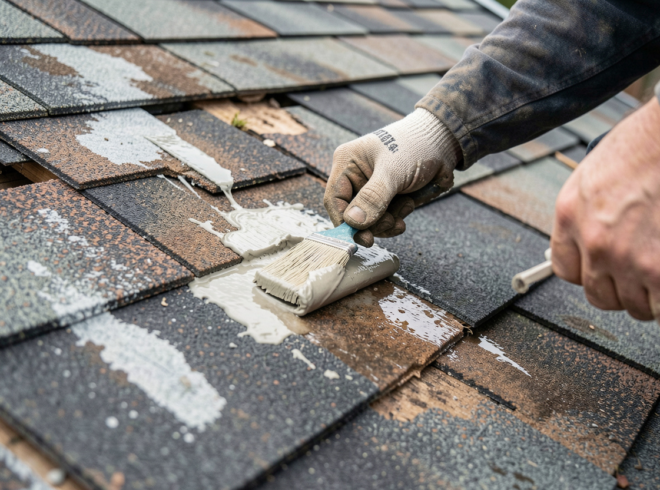
Sealant can crack, shrink, peel, or become brittle over time. After this, water can seep in through small holes.
It may appear to be a simple idea to apply a new caulk, but this does not always solve the flashing issue. A damaged or improperly installed metal can also allow the sealant to only provide temporary protection.
Chimney Flashing Problems
Chimneys are especially susceptible because they provide a large break in the roof to vertical masonry.
A chimney flashing leak can occur when step flashing, counterflashing, or step flashing is damaged or pulled away.
Check for water stains around the chimney, crumbling mortar, rusted metal, or moisture in the attic around the chimney area.
Early detection is crucial as chimney leaks may spread into the surrounding roof structure.
Issues With Roof Vents
Rain-proofing is essential for openings on roof vents. Over time, their flashing can crack, rust, loosen, or become damaged.
Any water stains in the attic around a vent should be investigated, particularly following heavy rain.
The vent may be damaged in some instances. In others, it could be the surrounding flashing that is the culprit. Professional vent flashing repair can be used to see if the vent flashing can be repaired or replaced.
Damaged Flashing Around Skylights
Skylights bring natural light into a house, but the openings in the roof must be waterproofed.
Cracked seals, worn-out flashing, damaged flashing around skylight edges, or incorrect installation may allow water to seep in.
After rain, homeowners may find drips, ceiling staining, wet insulation, or moisture near the skylight.
Don’t assume that a skylight leak is due to the glass or the frame. Roofing and flashing around the area should also be checked.
Also Read: Why Professional Skylight Installation in Dallas Is the Best Defense Against Roof Leaks
Rust, Corrosion or Visible Damage
As metal flashing ages, it can rust and corrode. Although the surface corrosion may not seem to cause a leak right away, if it is severe, it can weaken the material.
Watch for:
- Rust spots
- Corroded edges
- Holes in metal
- Bent flashing
- Cracked corners
- Separated joints
These noticeable problems may mean that the flashing is no longer adequately protected.
Water in the Attic
There are some flashing failures that are more easily detected from the inside of the attic than on the roof surface.
Following the rain, inspect for moisture in the insulation, water stains, wet wood, and water around roof penetrations.
Just because the attic is dry, don’t assume there is no flashing problem. A few may only occur when it rains in the wind.
Failure to fix flashing problems can lead to serious issues. It’s important not to ignore flashing problems.
If the flashing fails, it could be a minor roofing problem, but continued moisture can impact more than the flashing.
Water can cause damage to roof decking, roof insulation, drywall, framing, and interior finishes. The moisture can also lead to mold and wood rot.
Key Takeaways
- The flashing helps to prevent water from entering areas of the roof that are prone to leaks.
- Cracked, loose, rusted, or missing flashing can cause roof leaks.
- Careful inspection of chimneys, vents, and skylights for flashing is important.
- Invisible stains on the ceiling and moisture in the attic insulation may be signs of hidden moisture.
- Sealant repairs can sometimes not correct underlying flashing damage.
- Early detection will help to avoid further moisture damage.
Summary
Roof flashing is an important component in excluding water from weak spots of the house. If it doesn’t seal properly, leaks can occur around chimneys, vents, skylights, and other roof penetrations.
Identifying the warning signs early can help you prevent issues from causing damage to your decking, insulation, ceilings, or structure. When you see stains, corrosion, gaps, or moisture, a professional roof inspection can help you find the true source.
Call 911 Exteriors Roofing and Construction to Safeguard Your Roof
Whether you have a chimney flashing leak, vent problem, or skylight moisture problem, 911 Exteriors Roofing and Construction can provide professional help to keep water damage out of your home. Call us today to arrange a roof inspection and have your flashing issues resolved before the next storm.

Ash Abraham is a seasoned exterior remodeling professional and trusted industry expert at 911 Exteriors, specializing in roofing, siding, gutters, and exterior restoration services. With years of hands-on experience in residential and commercial exterior projects, Ash brings practical expertise, technical knowledge, and customer-focused solutions to every project.
Recent Posts
September 21, 2026
How Roof Valleys Fail and Why Valley Leaks Need Prompt Attention
September 18, 2026
What Does Granule Loss From Asphalt Shingles Mean?
September 14, 2026
Roof Flashing Failure: Warning Signs Around Chimneys, Vents and Skylights