Storm Damage Roof Repair Checklist: What to Inspect After Hail, Wind, or Heavy Rain
Storms can hit fast and leave a lot of surprises behind. One minute, the sky is clear, the next there is hail bouncing off the driveway or strong winds bending trees. After the chaos, most people step outside to check the yard, but the roof often takes the brunt of the damage. And sometimes, what looks fine from the street isn’t fine at all.
After a heavy storm, it helps to slow down and really look over the roof. Many homeowners end up calling a storm damage roofing company right away, especially if the storm was intense or the roof is older. A small problem that goes unnoticed can turn into a huge headache down the line.
Safety First
Before doing anything, make sure it is safe. Storm damage can leave shingles loose, surfaces slippery, or even hidden structural problems. Climbing up too soon can be dangerous.
Some simple safety steps include:
- Stay on the ground if the roof looks shaky
- Use binoculars instead of climbing up right away
- Check for fallen power lines or debris near the building
If something seems off, it is smarter to wait for a professional rather than risk an accident.
Hail Damage Can Be Sneaky
Hail often causes damage that is easy to miss. Small dents or dark spots on shingles might not be obvious, but they can affect the roof over time. Asphalt shingles often lose granules during a hailstorm, and you might find them in gutters or at the base of the downspouts. Metal roofs may get a few dings that still weaken the surface, which is why having a professional storm damage roofing company inspect your roof after severe weather is essential to prevent long-term issues.
Even if your roof looks fine from the street, those tiny impact points can turn into leaks later. That is why it helps to inspect closely or have someone experienced take a look.
What to Watch for After Strong Winds
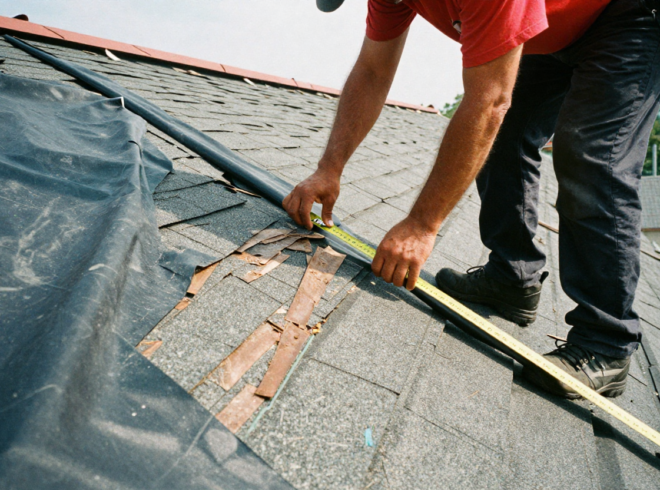
Wind damage is usually more obvious. Shingles may curl, lift, or even blow away completely. Flashing around vents or chimneys can come loose, creating openings for water to get in. You might also see shingles or other debris scattered in the yard.
Look for uneven roof lines or sections that look patchy. Even a single missing shingle can expose the underlayment and create problems inside the building.
Heavy Rain Can Cause Hidden Trouble
Rain does not have to be a hurricane to cause damage. Long periods of rain can push water into cracks or seams in the roof. Inside the house, the first signs often appear as stains on ceilings, bubbling paint, or a musty smell.
Outside, check for sagging areas or spots where water tends to pool. Flat roofs or low-slope roofs are especially vulnerable because water can sit there and slowly work its way into the structure.
Also Read: Understanding Hail Damage on Your Roof – Prevention, Inspection, and Repair
Don’t Forget the Attic
The attic can reveal problems that are invisible from the outside. Damp insulation, darkened wood, or even mold means water is coming in somewhere. A faint dripping sound after the storm is also a warning sign.
Commercial buildings often have leaks near skylights or HVAC units. These spots should get extra attention since seals can loosen during storms.
Gutters, Flashing, and Drainage Matter
Roof damage is not just shingles. Gutters that are clogged or pulled away can let water back under the roofline. Flashing around edges and joints should sit flat and tight.
Look for things like:
- Bent or detached gutters
- Rusted or cracked flashing
- Debris piled near the roof edges
Even small issues like these can grow into bigger problems if they are not fixed.
Knowing When to Call a Professional
Some damage is obvious, some is not. When in doubt, a storm damage roofing company can save a lot of trouble. They know where to look and can document damage properly for insurance purposes.
For businesses, speed matters. Water leaks can affect inventory, equipment, or daily operations. Getting help quickly with commercial emergency roof repair keeps problems from spiralling out of control.
Keep Track of What You See
Taking photos and notes after a storm is smart. Snap images of damaged shingles, debris, or interior leaks. Keep track of when the storm happened and the conditions outside.
This makes it easier to plan repairs and handle insurance claims without confusion later.
Making Sense of the Damage
Storms are unpredictable, but a careful inspection doesn’t have to be. Walking the property, looking closely at the roof and gutters, and documenting what is seen can save money and stress. Early action means repairs are usually smaller, cheaper, and less disruptive. If there is any uncertainty, calling a professional for an inspection brings peace of mind and clear next steps.
Recent Posts
January 28, 2026
How to Budget for a Commercial Roof Replacement Without Surprises
January 21, 2026
Commercial Roof Repair Cost: What Business Owners Should Expect
January 14, 2026
How Much Does a Commercial Roof Inspection Cost in DFW?
January 7, 2026
Understanding Roof Leak Repair Costs for Homes in Allen