What Does a Roof Insurance Adjuster Look For? Complete Homeowner Checklist
Storms come and go, but the aftermath can be a headache. Maybe a few shingles are missing, branches are on the lawn, and water stains are creeping down your walls. That is usually when a roof insurance adjuster shows up. But what do they actually look for when they walk on your property? And how can you get ready without feeling stressed out?
The First Look
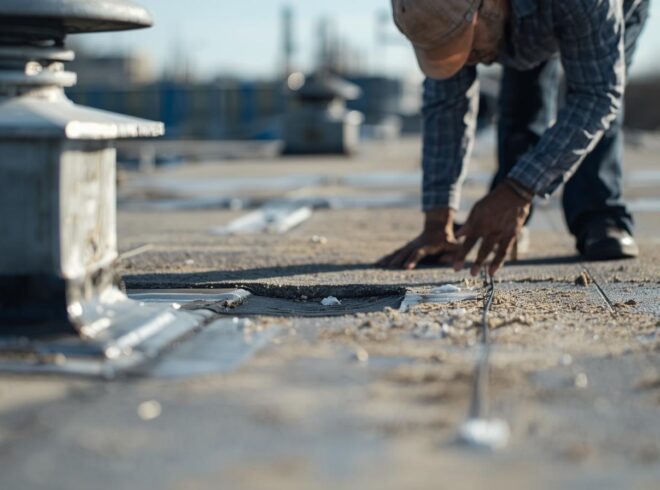
The first thing an adjuster does is just look at your roof. Really look. Missing shingles, curled edges, granules in the gutters, even a little crack around a vent, all of it counts. What seems small to you might be a red flag to them. Homeowners often assume a few loose shingles are no big deal, but for an adjuster, it could mean potential leaks or structural problems.
It is not just the roof itself. Water stains on siding, sagging gutters, or damaged flashing get noticed, too. They are trying to get the full picture of what happened during the storm. Sometimes they will take pictures of things you hardly paid attention to, like a dent in a metal panel or a tiny spot of mold.
Getting Closer to the Roof
After the initial walk-around, adjusters want a closer look at the structure. Sometimes they climb on the roof, while other times a roof insurance adjuster may use binoculars from the ground if the pitch is steep or slippery. They look for soft spots, water damage, or signs of rot, since even small leaks over time can turn into much bigger and more costly problems.
They also pay attention to what the roof is made of. Asphalt shingles, metal panels, and clay tiles all wear differently. An older roof might already have damage from regular wear and tear. Adjusters are trained to separate old problems from new ones. A dented shingle or missing piece from a recent hailstorm matters a lot more than a faded shingle from ten years ago.
The Little Things Matter
Not all damage is obvious. Granules falling off shingles, small cracks near chimneys, and even moss growing in patches can give clues. Branches rubbing against the roof or fallen limbs add to the story. The adjuster is piecing together what was caused by the storm versus what was already there.
Homeowners can help by keeping notes and taking pictures. Even small leaks or discolouration inside the house are worth mentioning. These tiny details often make a big difference in a claim.
Documentation and Measurements
Adjusters will measure the roof, noting square footage, slope, and pitch. Sometimes they use drones or lasers to get precise numbers. This might seem like overkill, but it helps create a fair estimate for repairs.
Every photo and note they take becomes part of your claim. Taking your own photos right after a storm is a smart move. A few shots of damaged shingles, fallen branches, or interior leaks can save a lot of back-and-forth later.
Also Read: How to Respond If Your Roof Claim Is Denied or Underpaid
How Homeowners Can Prepare
There are a few easy ways to make the inspection go smoothly:
- Clear the yard and pathways so the adjuster can move around easily.
- Gather old repair records, invoices, or maintenance receipts.
- Take your own photos of damage as soon as possible.
- Note when the storm happened and when you first noticed leaks.
- Point out even small issues during the inspection.
It is not about impressing the adjuster; it is about making sure nothing is missed.
Roof Insurance Claim Process in Texas
In Texas, the weather is unpredictable. Hailstorms, high winds, and sudden downpours all leave their mark. After the inspection, the adjuster sends their report to the insurance company, which decides what is covered.
Keep in mind that the adjuster works for the insurance company. They are professionals, but it never hurts to double-check their findings. Homeowners can hire an independent inspector if they are unsure. Knowing a bit about the roof insurance claim process in Texas can make everything easier and faster.
Staying Involved
Even after the adjuster leaves, it is smart to stay involved. Respond quickly if the insurance company asks for more info. Keep your own photos and notes. Minor things like a curled shingle or a small leak might seem trivial, but they can affect the settlement. Staying on top of the process helps ensure repairs happen sooner rather than later.
Everyday Roof Care Tips
Understanding what an adjuster looks for is also useful for regular maintenance. Check for curling shingles, inspect flashing around vents, and keep gutters clear. Little routine checks prevent small problems from becoming expensive ones. When damage finally does happen, you will already have a head start.
A Few Friendly Tips
A roof inspection can feel stressful, but it does not have to be. Knowing what the adjuster looks for, keeping records, and staying organised make the whole thing less intimidating. Storm damage is tough, but being prepared can help the process go smoother. Understanding the roof insurance claim process in Texas gives homeowners a little more confidence and a lot less worry when repairs are needed.

Ash Abraham is a seasoned exterior remodeling professional and trusted industry expert at 911 Exteriors, specializing in roofing, siding, gutters, and exterior restoration services. With years of hands-on experience in residential and commercial exterior projects, Ash brings practical expertise, technical knowledge, and customer-focused solutions to every project.
Recent Posts
September 28, 2026
Roof Damage From Overhanging Trees: What DFW Homeowners Should Prevent

September 25, 2026
Sagging Roof Warning Signs: Causes, Risks and Next Steps

September 21, 2026
How Roof Valleys Fail and Why Valley Leaks Need Prompt Attention

September 18, 2026
What Does Granule Loss From Asphalt Shingles Mean?

September 14, 2026
Roof Flashing Failure: Warning Signs Around Chimneys, Vents and Skylights
